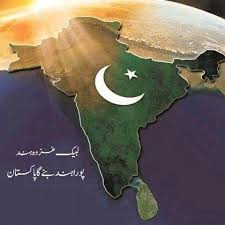
🕌 गजवा-ए-हिंद (Ghazwa-e-Hind) एक धार्मिक अवधारणा है जो कुछ इस्लामी हदीसों (Prophetic traditions) में वर्णित है। इसका शाब्दिक अर्थ है “भारत पर धार्मिक युद्ध” या “भारत की विजय”। यह विषय ऐतिहासिक, धार्मिक और राजनीतिक दृष्टिकोण से अत्यंत संवेदनशील है।
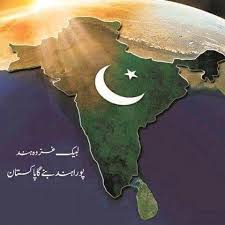
📜 गजवा-ए-हिंद का मूल अर्थ
- “गजवा” अरबी शब्द है जिसका अर्थ है धार्मिक युद्ध या सैन्य अभियान।
- “हिंद” का अर्थ है भारत।
- यह अवधारणा कुछ हदीसों में वर्णित है, जिनमें कहा गया है कि पैगंबर मुहम्मद ने भारत में एक युद्ध की भविष्यवाणी की थी जिसमें भाग लेने वाले मुस्लिमों को स्वर्ग का वादा किया गया।
📚 हदीसों में उल्लेख
- कुछ हदीसों में कहा गया है कि दो समूहों को नरक से बचाया जाएगा: एक जो भारत पर आक्रमण करेगा और दूसरा जो ईसा (Jesus) के साथ होगा।
- हालांकि, अधिकांश विद्वानों के अनुसार ये हदीसें कमज़ोर (दईफ़) या संदिग्ध स्रोतों से हैं और इनकी प्रामाणिकता पर सवाल उठाए गए हैं।
⚠️ राजनीतिक और सामाजिक संदर्भ
- पाकिस्तान के कुछ कट्टरपंथी समूह जैसे लश्कर-ए-तैयबा और जैश-ए-मोहम्मद ने इस अवधारणा को भारत के खिलाफ जिहाद के औचित्य के रूप में प्रचारित किया है2।
- भारत में इस अवधारणा को राष्ट्रविरोधी और उग्रवादी विचारधारा से जोड़ा जाता है, और इसे लेकर कई बार विवाद और कानूनी कार्रवाई भी हुई है।
🧠 भारतीय मुस्लिम विद्वानों की राय
- दारुल उलूम देवबंद और जमीयत उलेमा-ए-हिंद जैसे प्रतिष्ठित संस्थानों ने इस अवधारणा को राजनीतिक उद्देश्यों के लिए गलत तरीके से इस्तेमाल करने की आलोचना की है3।
- उनका कहना है कि इस्लाम में किसी भी प्रकार की हिंसा या जबरन धर्म परिवर्तन का समर्थन नहीं किया गया है।
🕊️ निष्कर्ष
गजवा-ए-हिंद एक धार्मिक अवधारणा है जिसे कुछ कट्टरपंथी समूहों ने अपने राजनीतिक एजेंडे के लिए इस्तेमाल किया है। लेकिन इसकी प्रामाणिकता और वर्तमान संदर्भ में इसकी व्याख्या को लेकर विद्वानों में मतभेद हैं। भारत जैसे बहुलतावादी देश में इस तरह की विचारधाराएं सामाजिक सौहार्द को नुकसान पहुंचा सकती हैं।
🕌 Ghazwa-e-Hind is a term rooted in Islamic eschatology and has been interpreted in various ways—religiously, historically, and politically. Here’s a comprehensive breakdown:
📜 What Does Ghazwa-e-Hind Mean?
- “Ghazwa” in Arabic refers to a battle or military expedition, often one led or sanctioned by the Prophet Muhammad ﷺ.
- “Hind” refers to the Indian subcontinent.
- Together, Ghazwa-e-Hind is interpreted by some as a prophecy about a future battle involving Muslims in India.
📚 Hadith References
- The concept appears in a few hadiths, notably in Sunan an-Nasa’i and Musnad Ahmad ibn Hanbal:
- One narration says: “Two groups of my Ummah Allah has protected from the Hellfire: a group that will conquer India and a group that will be with ‘Isa ibn Maryam.”
- Another hadith mentions Abu Huraira expressing his desire to participate in such a campaign, calling it a path to martyrdom
🧠 Scholarly Interpretations
| Scholar/Group | Interpretation |
|---|---|
| Jamiat Ulema-e-Hind | Rejects militant interpretations; warns against politicizing hadith |
| Deobandi Scholars | Often symbolic or metaphorical reading |
| Ahmadiyya Muslim Community | Views it as a spiritual mission, not a physical war |
⚔️ Historical Associations
- Some link Ghazwa-e-Hind to past invasions like those by Muhammad bin Qasim or Mahmud of Ghazni, but these were centuries after the Prophet and not directly tied to the prophecy.
- Extremist groups like Lashkar-e-Taiba and Jaish-e-Mohammad have misused the term to justify violence against India3.
🕊️ Modern Relevance and Misuse
- The term is often invoked in political rhetoric, especially in Indo-Pakistani tensions.
- Scholars caution against using it to incite violence or question the patriotism of Indian Muslims
- Darul Uloom Deoband faced controversy for referencing it in a fatwa, prompting legal scrutiny and public debate